
Prevent Construction Site Theft: Effective Security Strategies
July 23, 2026
Effective Strategies to Prevent Construction Site Theft
Construction site theft is a growing concern for the industry. It leads to costly delays and increased expenses. Protecting valuable assets is crucial for project success. Implementing effective security measures can significantly reduce theft risks.
A comprehensive security plan is essential. It should include perimeter security, access control, and surveillance technologies. Training employees on security protocols is vital. It fosters a culture of awareness and vigilance on-site.
This guide explores strategies to prevent construction site theft. Learn how to safeguard your site and ensure project continuity.
Understanding the Impact of Construction Site Theft
Construction site theft presents various challenges. It disrupts project schedules and raises costs dramatically. Lost time leads to delayed project completions.
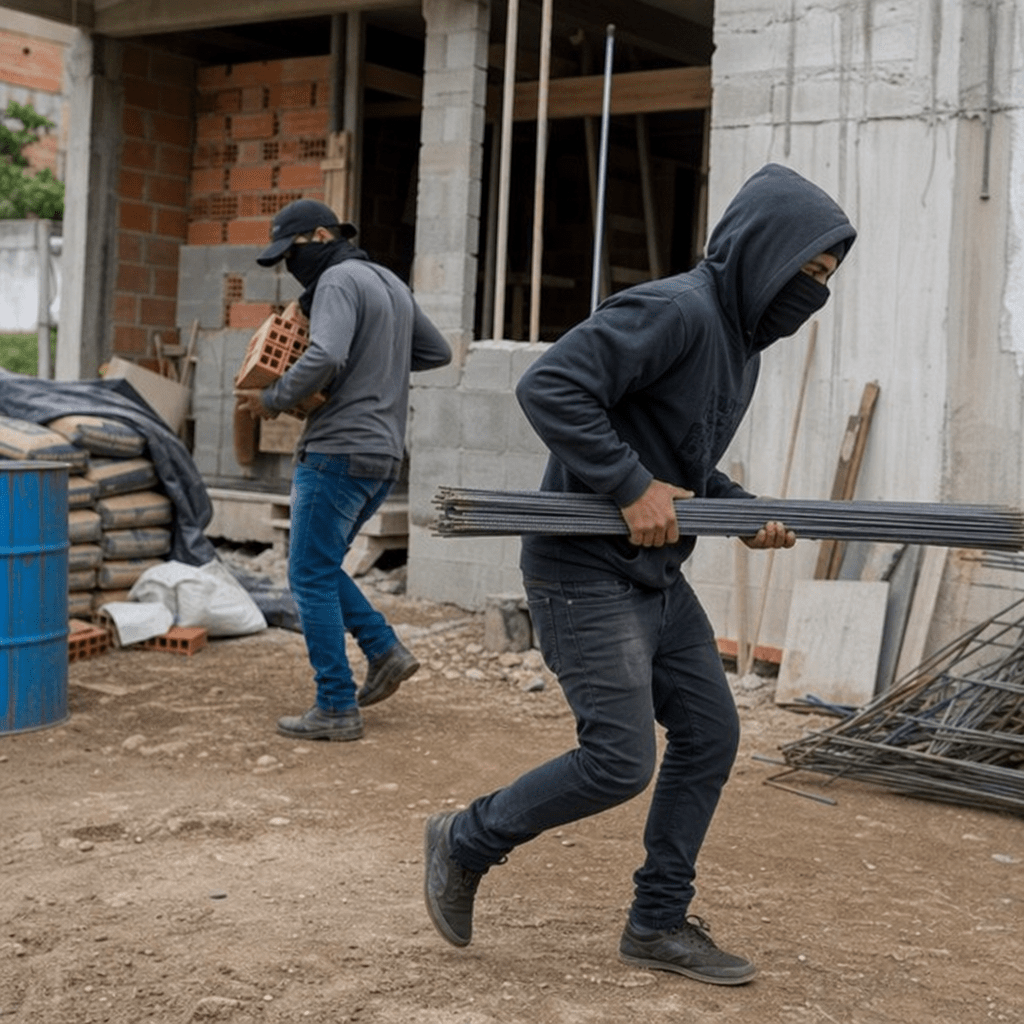
Thieves target valuable materials and machinery. Items like copper wiring and tools are common targets. These thefts result in replacing essential items frequently.
The financial burden extends beyond immediate losses. Increased insurance premiums and security upgrades add to costs. These expenses affect the overall project budget.
Consider the broader impact on your business reputation. Delays and financial setbacks can deter future clients. Understanding these impacts highlights the importance of construction theft prevention measures.
- Delayed project timelines
- Increased insurance premiums
- Replacement costs of stolen materials
- Damage to business reputation
Assessing Your Construction Site Security Risks
Identifying potential security risks is essential to prevent construction site theft. Begin by evaluating the vulnerabilities in different site areas. Consider the value and accessibility of materials and equipment.
Conduct a thorough security assessment of your site. Look for weaknesses such as poorly lit areas or unsecured entry points. Understand the routine patterns and exposures during different work phases.
Develop a list of primary threats based on your assessment. This could include theft of high-value machinery or unauthorized personnel access.
A detailed understanding will guide you in implementing targeted security measures.
- Evaluate site vulnerabilities
- Identify poorly lit areas
- Note routine patterns and exposures
Perimeter Security: Fencing, Barriers, and Lighting
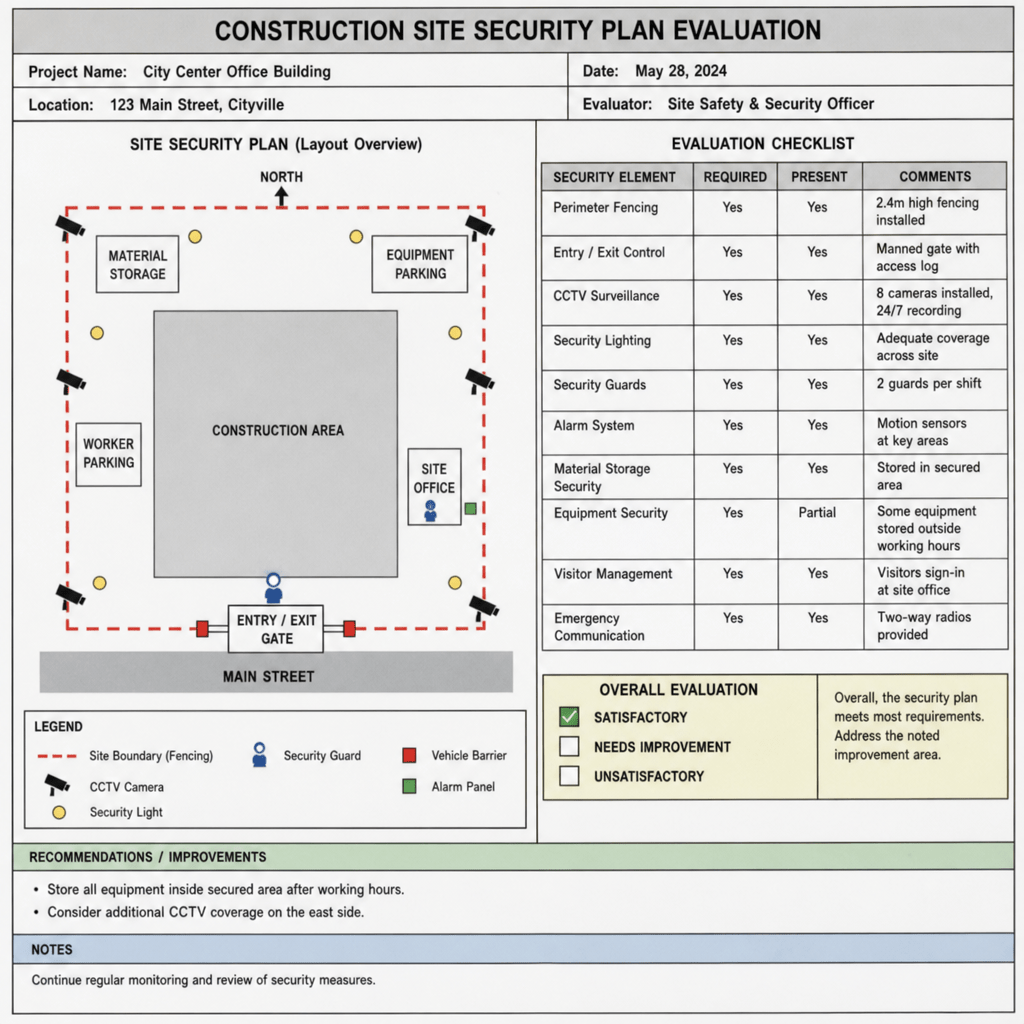
Establishing a robust perimeter is crucial for construction site security. Use fencing to create a clear boundary around the site. High-quality barriers prevent unauthorized access and deter potential thieves.
Consider the use of temporary fencing during different project phases. This provides flexibility and enhances security where it is needed most. Choose materials that resist climbing or cutting to increase effectiveness.
Lighting plays a vital role in perimeter security. Well-lit areas deter criminals by increasing visibility. Focus on illuminating entry points and shadows where thieves might hide.
Combine these measures for maximum protection. Efficiently use barriers, fences, and lighting to secure your site. A layered approach ensures gaps are filled and the site remains safe.
- Install high-quality fencing
- Use flexible temporary barriers
- Ensure effective lighting

Access Control: Limiting and Monitoring Site Entry
Managing access to your construction site is essential for preventing unauthorized entry. Limit site access to authorized personnel only. Use ID badges and biometric systems for precise control and easy verification.
Establish checkpoints at entry points to monitor all who enter and leave. A check-in/check-out system helps track movements and protect against theft. Keep this process smooth to minimize disruptions.
Consider using a visitor management system. This system ensures all visitors are logged and accounted for. Maintaining clear records helps in emergencies and theft investigations.
Regular updates and audits of access control systems keep them effective. Prioritize access control as a critical part of site security.
- Employ ID badges or biometrics
- Set up entry checkpoints
- Implement a visitor management system
Surveillance and Monitoring Technologies
Through DK Security’s partnership with LiveView Technologies (LVT), clients have access to advanced mobile surveillance units that provide an added layer of protection for construction sites. Equipped with high-definition cameras, night vision, and real-time monitoring capabilities. LVT units deliver 24/7 visibility of key areas, helping deter theft, detect suspicious activity early, and strengthen overall site security.
Integrate LiveView Technologies (LVT) units to enhance detection capabilities and alert security personnel to suspicious activity. Early detection helps reduce the risk of theft and property damage.
DK Security can remotely monitor and manage LVT units, providing real-time updates and an added layer of oversight. This allows site managers and security teams to respond quickly and maintain continuous visibility of the job site.
- Pair onsite security officers with LiveView Technologies (LVT)
- Take advantage of DK Security’s partnership with LiveView Technologies
- Utilize DK Security’s 24/7 Command Center for real-time monitoring

Securing Equipment, Tools, and Materials
Securing valuable equipment and materials on a construction site is essential. Lock storage containers for items like tools and materials. Thieves often target these due to their high resale value.
Implement anti-theft devices on heavy machinery. GPS tracking devices and alarms protect against unauthorized movement. This helps quickly recover stolen assets.
Use signage to warn of security measures in place. This can deter potential thieves. Clearly marked warnings can be a powerful psychological barrier against crime.
Consider using temporary structures to conceal materials from view. This reduces the chance of items being targeted by thieves. Out of sight, out of mind is a useful security strategy.
- Lock storage units
- Install GPS on machinery
- Use warning signage
- Conceal valuable materials
Inventory Management and Equipment Tracking
Effective inventory management is crucial in preventing construction theft. Implement a detailed tracking system for all tools and materials. Knowing what you have and where it is can deter theft significantly.
Keep an updated record of all equipment on-site. Regular audits help identify missing items quickly. This proactive approach can minimize losses and improve accountability.
Consider using technology like barcodes or RFID tags. These tools simplify tracking and managing inventory. They also make it easier to conduct audits and spot discrepancies.
- Utilize inventory tracking systems
- Conduct regular audits
- Implement barcode or RFID technology
Working with Security Personnel and Law Enforcement
Partnering with professional security personnel enhances your site’s defenses. They provide expertise and a visible deterrent against potential thieves. Having guards present, especially during off-hours, can greatly reduce risks.
Collaboration with local law enforcement is also crucial. They can offer insights on local crime trends and valuable prevention tips. Regular communication helps with quick responses to any incidents.
- Employ trained security personnel
- Maintain regular contact with local police
Responding to Theft and Improving Security Measures
Even with robust security, thefts can occur. A swift and well-organized response is essential. First, ensure everyone’s safety and then secure the area.
Document the incident immediately, noting all details and involved parties. This documentation helps law enforcement and improves future security plans. Analyzing past incidents can reveal patterns or vulnerabilities.
After a theft, evaluate and update your security measures. Make necessary changes to prevent future incidents. Continually improving your security strategy is key to minimizing risks.
- Prioritize safety during theft response
- Document and analyze every incident
- Update security protocols based on findings
Conclusion: Building a Theft-Resistant Construction Site
Securing a construction site requires a mix of strategies and constant vigilance. By understanding the threats and adapting security plans, sites can become less inviting to thieves.
Creating a security-conscious culture is pivotal. Training employees and integrating advanced technologies ensure comprehensive protection. With these measures, construction sites can drastically reduce theft risk, safeguarding valuable assets and time.
Protect your construction site with effective security measures. Reach out to us today for a personalized consultation on implementing the best theft prevention strategies. Together, we can create a safer, more secure environment for your valuable assets and ensure your project runs smoothly.